~ MamakTalk ~: 01/13/15

2015年1月13日 星期二

You can now buy the Nexus 9 in Sand color option on Google Play


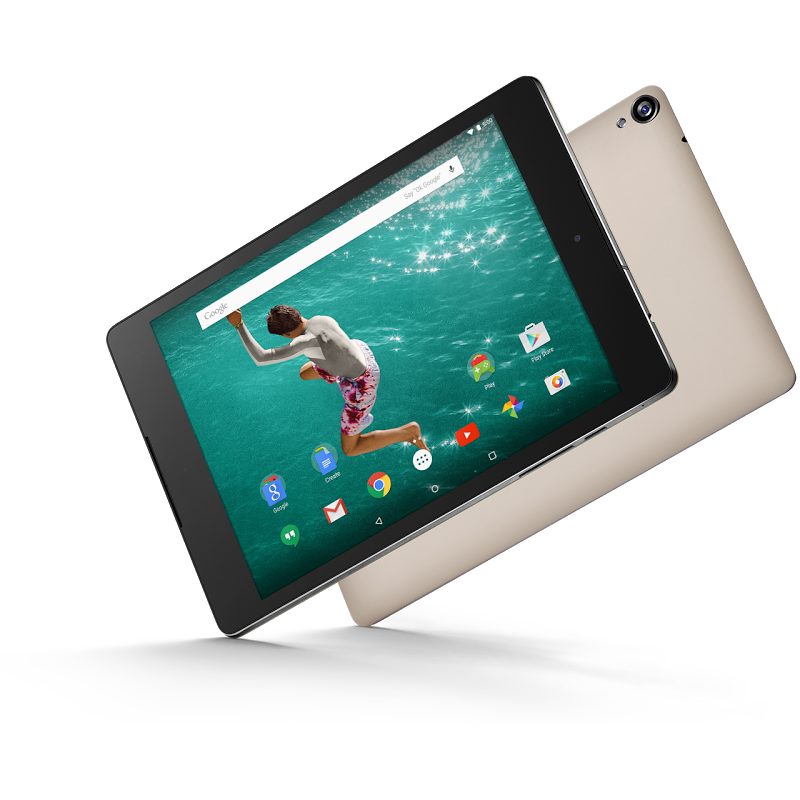
nexus 9 sand


When Google first announced the Nexus 9, they revealed a Sand color option alongside the current Lunar White and Indigo Black SKUs available now. The problem is that the Sand color option wasn’t immediately available, and we’ve gone a couple of months thus far without hearing anything about its arrival.


But in typical Google fashion it’s just popped up on Google Play without a word this morning. It’s the same Nexus 9 we’ve come to know and love, but now it looks like something that could blend into a pile of desert sand.


There is one catch — you can only get it if you opt for the 32GB WiFi configuration, though it’s possible Google will offer up more variants in the moments, days or weeks to come. If you don’t mind that and you’ve been holding out for this option then head to Google Play to get your order in (Google says it leaves warehouses in 1-2 business days).


[Thanks to everyone who sent this in!]


More gadget review in www.38today.com.

Google Nexus 9 Finally Lands on the Google Play Store in “Sand” Color


Nexus-9-review-Leaves-AH-12


When Google announced the Nexus 9 back in mid-October, we were told that there would be three colors. Black, White and Sand – which is basically their gold color. Well we’ve had the black and white available for a while. But now we finally have the sand color available on the Google Play Store. At least in the 32GB option for now. We should see it available in the 16GB option soon though, we hope. You can grab the 32GB Sand model right now for just $479. Which is the normal price. However if you don’t want the sand color, the black and white models are available on Amazon for $429 for the 32GB model. Plus it’s free shipping, which Google Play doesn’t offer.


The Google Nexus 9 has a 8.9-inch display, NVIDIA Tegra K1 processor inside which is 64-bit, 2GB of RAM and 16 or 32GB of storage. It’s not really a super high-end tablet, but it’s a pretty decent one. We reviewed it back in November and really liked it, but still found that the software was lacking for tablets, especially in the apps department. But that’s nothing new with Android tablets. The build quality wasn’t quite what we expected from HTC though, and that’s probably due to the NVIDIA chipset, which is normally pretty expensive.


So far, we are unsure if the Sand color will be available outside of the US, or even outside of the Google Play Store. But we will be keeping our eyes out to see what’s going on with the sand colored Nexus 9. If it pops up in your local Google Play or another retailer, let us know in the comments below. How many of you are looking to pick up the Google Nexus 9 in Sand color? Let us know in the comments down below.


The post Google Nexus 9 Finally Lands on the Google Play Store in “Sand” Color appeared first on AndroidHeadlines.com |.


More gadget review in www.38today.com.

This is how Android 5.0 Lollipop will look on the HTC One M8 [VIDEO]


HTC’s still readying the upgrade to Android 5.0 Lollipop for their HTC One M8 to meet a 90-day deadline, but if you were wondering how the upgrade was coming along we have our latest look. Earlier leaked screenshots gave us a look at how things looked, and now we can see much of the same in action.


Not much has changed at first glance. It’s still Lollipop with Sense 6.0, which means you get newly-styled notifications, the new recent apps switcher, and Material Design throughout much of the firmware’s apps. Things are looking quite smooth and stable as the HTC One M8’s Snapdragon 801 chipset seems to be handling the new goods just fine.


htc one m8 lollipop


Unfortunately the upgrade is taking longer than HTC’s early January estimation, but considering the Lollipop source code was officially released on November 3rd they still have just under a month to meet their original promise.


They don’t have an updated time frame just yet, but we imagine they won’t want to void that HTC Advantage they’ve been touting. In the meantime feel free to satisfy your appetite for Lollipop by checking out the video above.


[via HTC Vietnam]


More gadget review in www.38today.com.

Atelier Ayesha Plus Arrives on PS Vita Today


Hello PS Vita players! We’re happy to announce that today we are launching Atelier Ayesha Plus ~The Alchemist of Dusk~ on PS Vita via PlayStation Store.


If you’re not familiar with the Atelier game series, it’s a RPG developed by one of our development teams, GUST, in Japan. Unlike the previous titles in the Atelier series, the setting for Atelier Ayesha Plus — the Dusk World — is on the verge of ruin, the glory of their civilization based on alchemy all but lost. Additionally, Hidari’s role as illustrator serves to further deepen the presentation of the Dusk World.


Atelier Ayesha Plus tells the tale of a girl, Ayesha Altugle, who after the death of her grandfather and the disappearance of her younger sister Nio, now lives alone blending healing cures to sell in her workshop. Upon a vision of Nio appearing near her empty grave, Ayesha is convinced Nio is still alive and begins her search to save her sister.


Atelier Ayesha Plus on PS Vita Atelier Ayesha Plus on PS Vita


This enhanced PS Vita version will bring new features including dual audio (English and Japanese voices), new bosses, new costumes, a Hard mode, and the Album missions which unlock exclusive costumes and gameplay features and the ability to change party members at any time.


Atelier Ayesha Plus will be available on PS Store today and if you download it from January 13th to February 10th, you’ll receive Bonus costumes as a bundle.


Atelier Ayesha Plus on PS Vita


For more information about Atelier Ayesha Plus, please visit the official site.


Exclusive Car Review at www.automoview.com

Learn how to Develop Apps for Android Lollipop for $89


redesign_CompleteAndroidCourse-MF1_0109


If there’s one thing we all want to do, it’s probably learn how to build an app. Because we always have that one idea that we think would be an amazing app, we just don’t know how to make an app. Well we have an Android Lollipop Coding Course available in the Android Headlines Deal Store right now. It’ll set you back about $89. It’s normal price is $499 though. It’ll teach you basically everything you need to know though.


Buy the Android Lollipop Coding Course from the Android Headlines Deals Store now.


The post Learn how to Develop Apps for Android Lollipop for $89 appeared first on AndroidHeadlines.com |.


More gadget review in www.38today.com.

Got a phone with Android 4.3 or earlier? No WebView security patches for you!


It’s not unusual for a developer to quit updating software after a certain amount of time. After all, developers have a limited amount of resources, and as older software declines in use, it doesn’t make financial sense to keep patching code with a declining share of the market.


But you wouldn’t think a developer would quit patching older code when it’s on the vast majority of devices in use, right? In the case of Google and Android, you’d be wrong.


Todd Beardsley, writing at the Security Street forum hosted by the Rapid7 security analytics firm, says Google has declared it will no longer supply patches for the Web viewer found on versions of Android older than 4.4 , also known as Kit Kat. If you’re on Android 4.3 Jelly Bean or earlier, you’re out of luck – and thus vulnerable to malware that targets vulnerabilities in WebView. (In version 4.4 or later, Chromium is the included and default Web viewer.)


Now, if the vast majority of Android users were packing devices that had Kit Kat or later, this wouldn’t be a big deal. But take a look at this chart from the official Android Developers site .


Screen Shot 2015-01-13 at 7.53.12 AM


Kit Kat is found on 39 percent of Android devices that accessed Google’s Play store for new or updated software. Note that Android 5.0 Lollipop, the latest release of Google’s mobile operating system, isn’t included. That’s because it’s currently on less than 1 percent of all devices.


So, nearly 60 percent of Android smartphones and tablets are running browsers that will no longer be patched for these security vulnerabilities by Google.


When Beardsley reached out to confirm this, Google said while it wasn’t going to be offering fixes, third parties are welcome to do so. And he was told that other components of older Android versions will get patches:


However, after receiving a report of a new vulnerability in pre-4.4 WebView, the incident handlers at security@android.com responded with this:


If the affected version [of WebView] is before 4.4, we generally do not develop the patches ourselves, but welcome patches with the report for consideration. Other than notifying OEMs, we will not be able to take action on any report that is affecting versions before 4.4 that are not accompanied with a patch.


So, Google is no longer going to be providing patches for 4.3. This is some eyebrow-raising news.


I’ve never seen a vulnerability response program that was gated on the reporter providing his own patch, yet that seems to be Google’s position. This change in security policy seemed so bizarre, in fact, that I couldn’t believe that it was actually official Google policy. So, I followed up and asked for confirmation on what was told to the vulnerability reporter. In response, I got a nearly identical statement fromsecurity@android.com:


If the affected version [of WebView] is before 4.4, we generally do not develop the patches ourselves but do notify partners of the issue[...] If patches are provided with the report or put into AOSP we are happy to provide them to partners as well.


When asked for further clarification, the Android security team did confirm that other pre-KitKat components, such as the multi-media players, will continue to receive back-ported patches.


One solution – short of buying brand-new hardware with the latest Android OS – is to upgrade your device to a newer version of Android. But given the way that OS updates work on the vast majority of Android devices, that’s not so easy.


On smartphones, carriers and hardware makers must issue updates after coordination and testing. In many cases, that never happens – Android owners are stuck with the versions that came with their phones, or must be technically savvy enough to install an unofficial update themselves.


And since 97 percent of mobile malware is on Android , this is troubling news indeed.


Exclusive Car Review at www.automoview.com
Sharp Aquos Crystal X Gets The Hands-On Treatment


Sharp Aquos Crystal X_7


Remember the Sharp Aquos Crystal? Yeah, that handset which came out of nowhere in August last year and showed off its interesting no-side-or-top-bezel concept. Sharp definitely isn’t the first company you’ll think off when someone mentions the word “smartphone”, but they really did make a rather interesting device last year, and it wasn’t that expensive either. The bottom “chin” isn’t exactly for everyone, but if that doesn’t bother you then this device is… well, really solid. Sharp isn’t that well-known for making smartphones, but they are one of the top LCD screen suppliers to various manufacturers though.


The Aquos Crystal reached the U.S. a while ago, Sprint carries it and that’s why many of you have probably heard of that device. This Japanese smartphone manufacturer has also unveiled a higher-end version of this device called Aquos Crystal X, which we’ve already talked about in December. Well, Arstechnica managed to get their hands on a copy of this device and do a hands-on with it. You can check out those images in a gallery below this article, one of which shows both of these devices one next to to the other. The Aquos Crystal X is a bigger variant of the Aquos Crystal, it sports a bigger 5.5-inch panel, compared to the 4.7-inch display on the Aquos Crystal. Other than that, these two handset are very similar in terms of design. The front-facing camera and the microphone switched their positions, and the chin on the Aquos Crystal is a bit taller than the one on the Aquos Crystal X, but other than that, they’re almost identical as far as the design goes.


As far as specs go, Aquos Crystal X features a 5.5-inch 1080p (1920 x 1080) LCD display along with 2GB of RAM and 16GB of internal storage. This handset is powered by Qualcomm’s Snapdragon 810 quad-core chip clocked at 2.3GHz and ships with a 2,610mAh battery on the inside. 13-megapixel camera is located at the back of this handset, and a 2.1-megapixel snapper is available on its front side. This device measures 139 x 73 x 11mm and it’s the most compact 5.5-inch device in the world. This thing runs Android 4.4 KitKat and is skinned by Sharp, it’s not a heavy skin though, far from it. The company skinned only parts of the UI.


Sharp Aquos Crystal X_7 Sharp Aquos Crystal X_6 Sharp Aquos Crystal X_5 Sharp Aquos Crystal X_4 Sharp Aquos Crystal X_3 Sharp Aquos Crystal X_2 Sharp Aquos Crystal X_1

The post Sharp Aquos Crystal X Gets The Hands-On Treatment appeared first on AndroidHeadlines.com |.


More gadget review in www.38today.com.

Android 5.0 Lollipop update for the Samsung Galaxy S5 rolls out in the UK


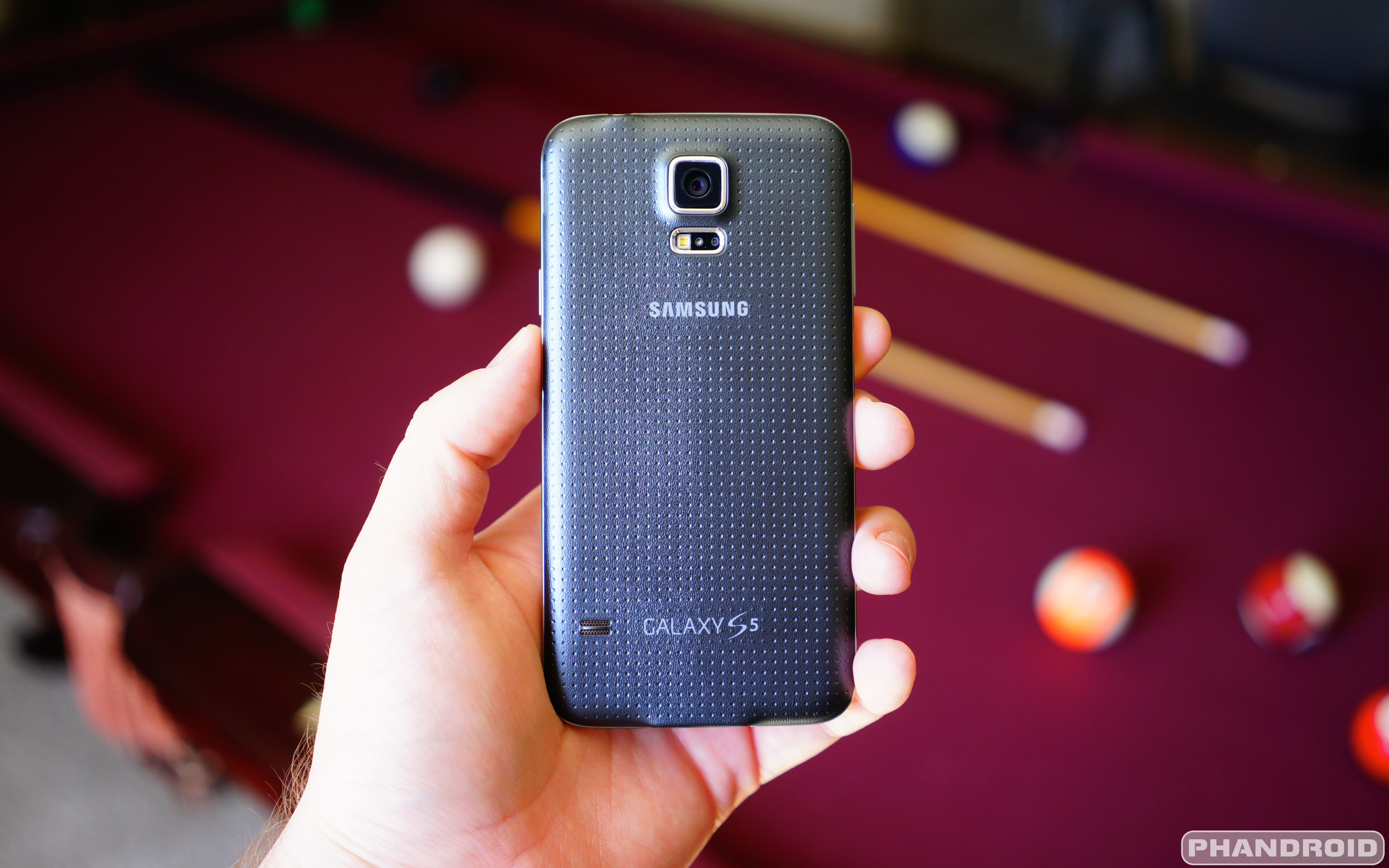
Samsung Galaxy S5 back DSC05789


Quick heads up to our friends across the pond: Android 5.0 Lollipop is now heading out to the Samsung Galaxy S5 in the UK. The upgrade has seen limited rollouts in South Korea and a smattering of other European countries, but the UK launch might be one of the biggest markets Samsung has brought the goods to.


As we’ve shown you earlier, Samsung has made some pretty nice adjustments for their TouchWiz user interface on top of Lollipop. The most notable is a bundle of redesigned applications, as well as inclusion of some of Lollipop’s best features like lock-screen and heads-up notifications. Samsung-specific changes include improved fingerprint scanner support, a new automatic setup process and more.


Many who have used the latest version say it’s a vast improved over the Jelly Bean and KitKat days, though it’s still largely TouchWiz and you shouldn’t expect a massive overhaul from the South Korean company anytime soon… at least not for this particular release.


We hear Samsung has plans to further improve their Lollipop firmware for impending maintenance upgrades that they’ve been testing internally, and we’ll have more on that story soon enough.


For now, head to Kies (or use this download link to flash manually if you know what you’re doing) to get your upgrade, and be sure to discuss your new treat over at AndroidForums.com’s Samsung Galaxy S5 section where many others are listing their thoughts, impressions and reporting potential issues.


[via SamMobile]


More gadget review in www.38today.com.

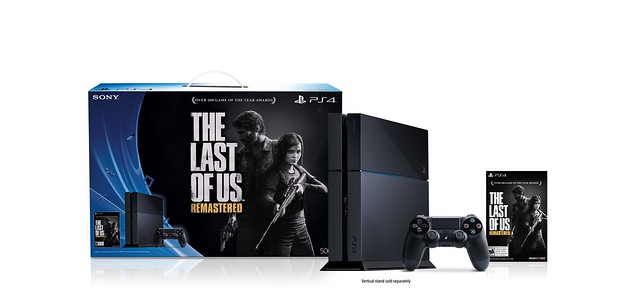
PS4 Bundle Now Includes The Last Of Us: Remastered for $399.99


Happy New Year, PlayStation Nation! I’m really excited to announce our 500GB PS4 bundle will now include The Last of Us: Remastered — at no additional cost. Experience one of the most critically-acclaimed exclusives that received more than 200 game of the year awards, complete with enhanced visuals and additional content.


The Last of Us Remastered PS4 Bundle


If you’ve managed to hold out on upgrading to PS4 for this long or if you have a stack of gift cards laying around after the holidays, now is the perfect time to get in on the action. This new bundle will begin appearing at participating retailers over the next few days for $399.99.


We’re sure you won’t be disappointed with PS4’s game library and social capabilities, where you can share your most epic gaming moments with all your friends. And there’s plenty to look forward to in 2015 and beyond.


Happy Gaming!


Exclusive Car Review at www.automoview.com

Fujitsu’s New Smart Ring Prototype Lets You Write In Air


Fujitsu smart ring_1


A lot of companies launched wearable gadgets in 2014, we’ve seen a lot of smartbands, smartwatches… and other “smart” gadgets. Smartwatches were easily the most popular devices in 2014 and have stole the show, that trend will quite probably continue this year as well. There are a ton of unique gadgets out there, which are not nearly as popular as smartwatches are. Ever wanted to wear a multi-functional ring on your finger? Well, Fujitsu just announced a smart ring that might interest you.


This smart ring was developed by Fujitsu Laboratories and it basically lets you use your finger in order to draw or write in the air. In order for this thing to work, you’ll need to connect it to your smartphone via Bluetooth, and unfortunately a special Fujitsu helmet. Sound odd? Well, it is, at least for now. This smart right is compatible with Bluetooth Low Energy (LE) standard, brings NFC functionality and weighs only 10 grams. The battery, that comes with this device, is rechargeable and it lasts up to 8 hours on a charge.


Why the helmet you wonder? Well, this ring actually needs it in order to track your finger movements in the air and recognize the letters. You need to press the button on the ring in order to trigger tracking, and the helmet starts recognizing what you’re writing / drawing. When it comes to numbers, this thing reportedly has a 95% recognition rate, which is commendable. Anyhow, this ring also allows you to browse through your phone’s menu, you can also draw something on an image of your choice.


Fujitsu has unveiled this product, but it is still unknown if it will be available for the public. This is more of a reference product at the moment, and until they figure out how to ditch that huge helmet and perhaps even reduce the size of the ring, I don’t think there’s any point in launching this. Very few tech enthusiasts would actually grab one of these considering there’s really not much functionality you can get out of it, the product is just not there yet in my humble opinion. That being said, this has potential, it really does. What are your thoughts here?


Fujitsu smart ring_1 Fujitsu smart ring_2 Fujitsu smart ring_3 Fujitsu smart ring_4

The post Fujitsu’s New Smart Ring Prototype Lets You Write In Air appeared first on AndroidHeadlines.com |.


More gadget review in www.38today.com.

New Motorola Handset Through FCC, Perhaps New Moto E


AH Motorola Logo 1.0


In 2013, Motorola’s lower / mid-range Moto G disrupted the established smartphone market. Until the Moto G arrived, I found devices at this price to be too compromised to not be frustrating for my daily driver. They either had low resolution screens, slow and old generation processors, limited RAM, storage, poor cameras and a small battery. Sometimes, a device would launch that would surprise me (the LG L5 II was one such device) but most were compromised in too many areas. Motorola ripped up the book that said substandard processors, screens and battery life is for inexpensive models and dropped the Moto G onto the market. Later on, the Moto G was followed by the Moto E, which was in itself a cut down version of the Moto G. The Motorola Moto E offered a dual-core processor, qHD 4.3-inch display (that’s 960 by 540 pixels) and 1GB of RAM. The camera wasn’t very good, but battery life was: on paper, several of the Moto E’s specifications were similar to flagship models from 2011 such as the HTC Sensation. For those of us wanting a no-frills, nearly stock Android experience for, well, telephone duties, the Moto E was (and arguably remains) a great option. But now there might be a better option coming soon, hopefully for a similar price.


And so on to today’s news report, which is that a new unknown device has appeared at the FCC, Federal Communications Commission, under listing ID IHDT56QF1 and with the memorable model name “4583.” There’s not so much information about the model other than it supports 802.11b/g/n Wi-Fi (no 802.11ac), Bluetooth 4.0, GPS and operates on the 850MHz and 1,900MHz GSM bands; this hardly makes the device unique! The dimensions don’t match an existing Motorola device but would suit a device with a screen of between 4.4-inch to 4.6-inch across the diagonal. There is no mention of LTE, either and the FCC label is showing as being present on a “permanently attached, retractable plastic tab,” which points to a sealed battery that shouldn’t be replaced by the user. Let me cut to the chase: second generation Moto E, anybody?


We’ve seen rumors that the next generation Moto E will have a slightly larger screen than the original 4.3-inch, indeed 4.5-inch has been mooted and this would suit the device size details above perfectly. The lack of LTE is another tell-tale (but perhaps Moto will be releasing an LTE-equipped model in due course?). In the absence of any other details, it’s speculation as to what this handset is or other features, but it looks like we won’t have long until we find out.


The post New Motorola Handset Through FCC, Perhaps New Moto E appeared first on AndroidHeadlines.com |.


More gadget review in www.38today.com.

Google Release Next Generation MDK For Project Ara In Preparation For Upcoming Developer Conference


Project-Ara


You may remember a few months ago we heard about an upcoming Google Developers Conference taking place in respect of Project Ara, Google’s modular device. Well, time does fly and that conference is literally upon us with the scheduled date being January 14th (Wednesday). One of the aspects on the agenda for the developer conference was the release of the second Ara MDK in the form of MDK 2.0. Well, Google being Google have gone ahead and released the MDK prior to the actual conference. As such we get to see the first glimpses of what will be more elaborated discussed in a couple of days time.


As is discussed in the Phonebooks post (source link below) announcing the release of the MDK, most of the changes in hardware and software do (and will) be properly explained at the conference. That said, one interesting addition, which is noted included in the new MDK, is the contactless connection system which has been designed by the Ara team. This is designed to connect the modules systems with the endoskeleton systems to “save space, cost and to improve durability”. Another addition to the current MDK, is a more in-depth explanation of how the Module Marketplace (basically Play Store for Ara) will function. We first heard about the idea of the Modular Marketplace a couple of months ago and it basically will offer a portal which connects developers and consumers together allowing for the purchasing of modules.


Although there will be a lot more to be announced in this MDK, the current information does provide us with some examples of how the project is moving forward. Either way, with the conference occurring this week we won’t have to wait too long to find out more. It is also expected at the conference, we will get to see the next generation prototype in a working and functional order. If you missed the last news on Ara, then it was announced a couple of weeks ago that Ara will be compatible with a variety of processors including Rockchip, Nvidia and Marvell. Will you be watching the live developer conference on the 14th? Let us know.


The post Google Release Next Generation MDK For Project Ara In Preparation For Upcoming Developer Conference appeared first on AndroidHeadlines.com |.


More gadget review in www.38today.com.

Xiaomi To Launch Two Handsets On January 15 According To Company’s Teaser


Xiaomi logo_4


Xiaomi will hold an event in China on January 15. Company’s CEO, Lei Jun, already confirmed that they’ll launch their flagship handset at that event and we’ve seen a lot of leaks, rumors and official teasers lately. Xiaomi Redmi Note 2 will almost certainly show up at that launch event, one of company’s teasers revealed that. The question is, will there be a second device? Well, according to one of Xiaomi teasers, there will be, and it will most likely be the Mi4S / Mi5 which has been leaking like crazy lately. Keep in mind that the low-budget Leadcore-powered Xiaomi handset is also a possibility though.


Anyhow, let’s take a look at some official Xiaomi teasers now, we’ve already covered some of that content, but let’s put things into perspective. If you take a look at the gallery below this article, you’ll notice three images, each of them represents one of Xiaomi’s official January 15 event teasers. The first image shows a hand which is supposed to hold the device I guess, you can see the tagline next to it which reads “The __ the better”. I’ll leave it up to you to fill out the missing word, although the obvious choice would be “bigger”, I’m not sure that’s what they meant. The second teaser suggests the phone will be really thin, the Redmi Note 2 will be 6.1mm thick according to the Oppomart listing and some reports, though it’s unclear if Xiaomi refers to that device or something else they’ll launch. And finally, the third teaser, this is the most interesting one out of the bunch. We’ve already covered this teaser a while back, and it’s supposed to suggest that the company will launch two devices on January 15. As I said, the Redmi Note 2 is a given, and the second handset is still a mystery, even though I believe they’ll launch the Mi4S / Mi5, whatever they decide to call it in the end.


What are your thoughts here, what do you think Xiaomi will launch next to the Redmi Note 2? Will it be the Mi4S / Mi5 or the budget Leadcore-powered smartphone? Perhaps something completely different? Let us know in the comments, we’d love to hear from you guys, as usual.


Xiaomi January 15 event teaser_3 Xiaomi January 15 event teaser_2 Xiaomi January 15 event teaser_1

The post Xiaomi To Launch Two Handsets On January 15 According To Company’s Teaser appeared first on AndroidHeadlines.com |.


More gadget review in www.38today.com.

Samsung Galaxy Note 5 Concept Pops Up, Features Curved Edge Screen On Both Sides


Samsung Galaxy Note 5 concept_4


Samsung’s Galaxy Note line is one of the most popular series of smartphones in the world. The first Galaxy Note was perceived as too big and awkward, at least at first, people quickly started buying that handset like crazy, and everything else is history. Samsung has been selling the Galaxy Note devices like crazy ever since, and their latest phablet, Note 4, is a truly great device. The Galaxy Note 4 launched last September at IFA in Berlin, alongside the Galaxy Note Edge. The Note Edge offers the same functionality as the Note 4, including the S Pen stylus, but it has a curved display on one side. That display actually functions as a separate panel and offers an extra layer of functionality, but we already talked about that many times before. The Note Edge is definitely not a handset for everyone, it’s odd and kind of awkward to hold, but it’s functional and it seems like many people actually like it.


That being said, a Galaxy Note 5 concept popped up online. Before we get into it, keep in mind that this is just a concept, and an odd one at that. If you take a look at the gallery below this article, you’ll notice 4 images which show off this device from various angles. The handset looks like the Note Edge, but both of its sides are curved. This concept brings forth some specs as well, including a 5.9-inch 4K display, an octa-core processor clocked at 3.2GHz and 4GB of RAM. This concept phone has two internal storage variants, 32 and 64GB ones and it also offers microSD expansion up to 128GB. 19-megapixel rear-facing and 4.7-megapixel front-facing cameras are also mentioned, OIS is also a part of the package of course, and the 3,700mAh battery is also mentioned. This report also claims that the device will be launched at IFA in September and will be priced at $942.


I said it already and I’ll say it again, this is just a concept device and almost certainly not the real thing. It’s interesting to see these concepts from time to time though, Samsung might even launch something similar to this with a double-edge screen or something to that effect. I really don’t like the design of this thing though, it looks… well, it doesn’t appeal to me, but I didn’t really like the Note Edge’s design all that much either, so I’m quite probably not the right person to ask. Anyhow, do you like this concept and do you expect Samsung to launch something like this in 2015?


Samsung Galaxy Note 5 concept_1 Samsung Galaxy Note 5 concept_2 Samsung Galaxy Note 5 concept_3 Samsung Galaxy Note 5 concept_4

The post Samsung Galaxy Note 5 Concept Pops Up, Features Curved Edge Screen On Both Sides appeared first on AndroidHeadlines.com |.


More gadget review in www.38today.com.

D-Link’s Latest Wireless Router is a Fortress of Technology


D-Link’s latest wireless router is here, and wow, is it ever the mother ship. And despite a red-and-black, antenna-crazed design that looks ready to take over the earth, this router has a few unique features that make it extra-friendly to the busy home or small workplace.


First come the basics: The AC5300 Ultra Wi-Fi Router offers speeds up to 5.3 Gbps to satisfy even the more eager Google Fiber user, and Smart Connect technology that D-Link promises is the “fastest Wi-Fi connective for every device.” With eight primary antennae, this claim at least appears reasonable, and simultaneous tri-band Wi-Fi is nothing to sneeze at. Oh, and let’s not forget about the 1.4 GHz dual core processor housed within that aggressive-looking router, all the better to link you up and process your data. D-Link also guarantees compatibility with future Wi-Fi devices.


The Ultra Wi-Fi Router also comes with a few unique features worth a second glance. The AC SmartBeam technology, for example, allows the router to zap individual areas with bandwidth lasers (sorry, the mother ship imagery is really hard to get past). This lets you target specific areas that are notorious for getting poor wireless service in your service, potentially solving the problem with a targeted beam while also offering more general coverage.


D-Link is also offering remote access and management, which allows you to manage security features and other functions directly from your mobile device.


Not including the original announcement, D-Link is keeping details close to its chest. While the AC5300 Ultra Wi-Fi Router will be coming in Spring 2015, there’s no definitive word yet on pricing. It’s worth noting this is just one of the three routers D-Link showcased at CES 2015. All three manage to look like end-game arcade bosses, but the AC5300 definitely has the most antennae for the broadest reach – literally and wirelessly.


The post D-Link’s Latest Wireless Router is a Fortress of Technology appeared first on Gadget Review.


More gadget review in www.38today.com.

Motorola says promised Lollipop update is coming “really soon” to the rest of their smartphone lineup


Motorola Moto X Boot animation DSC00738


While it feels like it was only yesterday when Lollipop began rolling out to the Motorola Moto X Pure Edition and Nexus devices, for some, the wait is leaving more of a bitter taste in their mouths. This seems to have something to do with relatively small few who get to enjoy the bugs and memory leaks that come with early adoption, while everyone else with older Motorola devices is forced to wait on the sidelines with their old, stable Android firmware while Google n’ Motorola work on ironing out all the bugs. As we mentioned before, there were a handful of them.


Today, Motorola software engineer Luciano Carvalho took to Google+ to shed a little light on what’s been keeping Lollipop from rolling out across the rest of Motorola’s smartphone portfolio. He reminds everyone that, as promised, Lollipop will be arriving “really soon” to Motorola’s 2013-2014 smartphone lineup, they just want to make sure they’ve squashed most of the bugs you’ve been hearing about first. In fact, he’s pointed out that limited soak tests of Android 5.0.2 have already begun for some in different parts of the world and if no critical bugs are found, a more broad rollout will begin shortly thereafter.


We should point out that bugs in Android can be device specific, this is due to the vast differences in hardware across a multitude of devices. Just because Motorola may have squashed some of the known bugs in 5.0.2 doesn’t mean they’re totally in the clear. They will still need to test the software on each one of their devices to ensure total compatibility and make sure no other bugs pop up.


Anyone with 1st-gen Motorola devices will first need to make sure the “Motorola Update Services” app on their device is up-to-date in the Google Play Store. If you don’t see the app just yet, don’t worry — Motorola says you’ll soon be able to download it “really soon” so be on the lookout.


More gadget review in www.38today.com.

Deal: Canon EOS 70D w/18-135 IS STM $999


70D

BigValueInc (99% approval) is selling the Canon EOS 70D w/18-135 IS STM for $999 (Reg $1349)


Canon EOS 70D w/18-135 IS STM $999 (Reg $1349)


*Note These are likely grey market items and may not qualify for a Canon USA warranty. Please check with the seller to see if they offer additional warranty.


cr


Exclusive Car Review at www.automoview.com

Verizon adjusts T-Mobile’s 4G LTE coverage in new promo


t-mobile_4g_lte_coverage_verizon_jan2015_promo


Near the end of 2014, Verizon was faced with some criticism regarding one of its advertisements that featured a map of a competitor’s 4G LTE coverage. The ad compared its network to that of T-Mobile; however, it was greatly skewed in favor of Verizon. The map portrayed T-Mobile’s 4G LTE coverage as extremely scarce by removing the HSPA/HSPA+ coverage. Yesterday, Big Red uploaded an updated version of the ad which shows a much more purple map of the United States (above). The coverage is still dwarfed by Verizon’s but T-Mobile has committed heavily to its growth.


Hit the break for the videos.


This is the ad rolled out in December:


Click here to view the embedded video.


And this is the one that arrived on January 11:


Click here to view the embedded video.


Via: TmoNews


Come comment on this article: Verizon adjusts T-Mobile’s 4G LTE coverage in new promo


More gadget review in www.38today.com.

Motorola Reassures Us That Remaining 2013/2014 Devices Are Getting Android Lollipop “Really Soon”


Motorola-Logo-AH-2


Many users are still waiting for their updates to Android 5.0 Lollipop, this includes plenty of users who own and use a Motorola device from last year and the year prior alongside device owners using smartphones from other top name manufacturers. Motorola’s Moto X 2nd Gen. has already gotten the update to Android 5.0 Lollipop but it wasn’t without its bugs, and Motorola has been on quite the mission to fix those issues being experienced by device owners on that particular phone. This morning on Google+, a software engineer(Luciano Carvalho)at Motorola Mobility mentioned that we’ll be seeing the updates to Android 5.0 Lollipop for Motorola’s remaining 2013 and 2014 devices really soon, it’s just a matter of patience as they have to test device for the new software build before they push it out to users, and the type of updates their working on take some time.


Carvalho also took the time to explain what part of the reasoning is as to why the update is probably taken a tad bit longer than expected, and it basically boils down to trying to account for as bug free of a release as possible for all possible combination of devices and components within those devices. Carvalho explains that Google doesn’t fix any bugs or issues that show up for devices if they can’t reproduce the problem on a Nexus device, so the task of fixing it relies on Motorola in this case.


Motorola has multiple devices to work through to make sure that Lollipop, when updated, doesn’t come with the bugs that were being noticed by users when Lollipop initially launched. Carvalho further explains that they are doing a limited soak test roll out of Android 5.0.2 in specific regions around the globe, but they aren’t quite ready to push that software to all remaining Moto products from the past two years just yet, and that it will be ready to go once they can ensure that there are no major bugs or critical issues popping up. In short, rest easy and be patient as Motorola says the updates are still on their way and soon, they just want to make sure they send out an OTA software push that will continue to guarantee their users have a smooth and enjoyable experience they’re used to on a Motorola product.


The post Motorola Reassures Us That Remaining 2013/2014 Devices Are Getting Android Lollipop “Really Soon” appeared first on AndroidHeadlines.com |.


More gadget review in www.38today.com.

Your Smartphone may Help Make the Next Big Scientific Breakthrough


xperia We all want to do our part to help those who are less fortunate healthwise, but not all of us are brilliant researchers and scientists. However, we all have at least one extremely capable tool for making progress in the world of fighting disease: a smartphone. Once Dr. Vijay Pande and Sony have their Folding@Home app pass Beta testing, all you’ll have to do is download the app from the Google Play Store and have it run on your phone whenever you want, doing calculations and folding proteins in order to aid laboratories Stanford in finding a cure for Alzheimer’s or cancer.


The app is still in testing phase right now, which means it will only work on a Sony Xperia device, but if you own a Sony smartphone, by all means download the app and try it out. The general idea behind using smartphones to run calculations is that using modest processor power from hundreds of thousands of smartphones and tablets is much more powerful and cost efficient than using supercomputers. The idea has been done successfully in 2012 with PS3 gaming systems, but since smartphones have much more market saturation, Sony and Stanford have had their eyes set on your pockets for a while.


The app will be free for everyone and will pass through beta testing in early 2015, so keep checking back to see if it Folding@Home has been released yet!


Excited about the chance to help out a little in the world of disease research? Skeptical about the difference a few smartphones can make? Either way, leave a comment below and get the conversation started!


Source: Sony Blog


Come comment on this article: Your Smartphone may Help Make the Next Big Scientific Breakthrough


More gadget review in www.38today.com.

Sony Phones Can Help Disease Research Through Folding@Home’s New Beta Application


AH Sony Logo-1


Our smartphones can do just about anything these days, from helping us track our calories burned throughout a workout to serving us up our daily helping of news and social media. They even play games, stream music and videos, and we can take pictures with them too. If someone told me a few a years ago however that our smartphones could aid in the effort to research cures for diseases, I probably would have been skeptical at first. That is exactly what Sony and Folding@Home(a research project aimed at finding cures fir Alzheimer’s and other diseases)are attempting to do with a new beta application for Folding@Home though.


The Folding@Home lab which is headed up by Dr. Vijay Pande of Stanford University, was faced with the task of finding a solution to observing the folding of proteins that make up nearly every aspect of our bodies, so that they might be able to further study diseases and how and why they occur. This breaks down to the folding process of those proteins inside of our bodies. When the proteins fold with an error, this is where diseases begin to surface. The folding process happens at such a rapid rate that it becomes extremely difficult to observe in a lab environment though. It would require the processing power of a huge Super Computer, which would take tons of time and money to build, only to lead to a process of even longer hours for studying the folding of each individual protein. Instead of spending precious time on building a massive machine to compute all this data, Vijay’s team developed an app to harness the power of the vast network of the tiny computers we hold in our hands, pockets, purses and bags every single day. Our smartphones.


The process for capturing all this data via the smartphone app would still take a pretty long time, as Vijay explains that it would take on smartphone running this process 24/7 for 150,000 days, or as Vijay refers to it, it would take their team 150,000 “phone days” to be able to gather enough data to represent a significant leap forward in this research. This is where the app comes in, as the time becomes significantly reduced if this process of computing the data for researching protein folding is spread out among a larger number of handsets. Taking the 150,000 phone days and splitting them up across a 10,000 device strong network and the time for computing the data needed becomes a mere two week period. You can grab the beta version of the application from the Play Store and help contribute to this research if you’re running any of the Xperia Z series devices, as well as the Xperia T3, Xperia T2 Ultra, Xperia M2 Aqua, and Xperia C3 model smartphones from Sony.


Screenshot_2015-01-12-15-02-12 Screenshot_2015-01-12-15-02-31 Folding@Home-Featured-Image-4cb7ce2be6e8169b0fa27704bd4fb00b

The post Sony Phones Can Help Disease Research Through Folding@Home’s New Beta Application appeared first on AndroidHeadlines.com |.


More gadget review in www.38today.com.

Samsung Shows Off Infographic Comparing The Galaxy A3, Galaxy A5, And Galaxy A7


Samsung-Logos-AH-2


Samsung officially announced the third smartphone in their A series lineup earlier this morning, (last night for those of us in the U.S.) the Galaxy A7. While the Galaxy A3, the Galaxy A5, and the Galaxy A7 don’t really represent a low, mid, and high range set of smartphones, they do each have a few different features and specifications. Samsung has actively started showing us those little details in a comparative infographic that puts all three devices side by side, so users who might be interested in grabbing one of these devices are able to distinguish the differences and see which device could be the best fit. It’s also nice just to see how the three A series devices are alike.


Most notably, all three A series phones have different size screens, with the Galaxy A3 sporting a 4.5-inch qHD Super AMOLED display, the Galaxy A5 with a 5-inch HD Super AMOLED display, and the most recent announced Galaxy A7 sporting the biggest display of the three phones with a 5.5-inch HD Super AMOLED display. The Galaxy A3 comes with an 8MP rear-facing camera while both the other two come packing a 13MP shooter on the back, and they all carry the same 5MP front facing camera. The Galaxy A3 and Galaxy A5 also come powered by a 1.2GHz quad-core CPU, while the larger Galaxy A7 is powered by an octa-core processor, comprised of a 1.8GHz quad-core CPU + a 1.3GHz quad-core CPU for the Single-SIM model, and a 1.5GHz quad-core + a 1.0GHz quad-core CPU for the Dual-SIM model.


All three devices are running Android 4.4 KitKat out of the box, and all are expected to get the update to Android 5.0 Lollipop at some point. All devices also support expandable storage of up to 64GB via the microSD card slot while also coming with 16GB of internal storage, although the Galaxy A3 only comes with 1GB of RAM while the Galaxy A5 and the Galaxy A7 both come with 2GB. Samsung has also used different sized batteries for each device, starting with a 1,900mAh battery in the Galaxy A3, then moving up to a 2,300mAh battery in the Galaxy A5, and ending with a 2,600mAh battery in the Galaxy A7. This “At A Glance” infographic doesn’t give every single specification detail about all three phones, but it does a decent job at showing consumers the basic specs.


Infographic-Galaxy-A3-A5-and-A7-At-A-Glance


The post Samsung Shows Off Infographic Comparing The Galaxy A3, Galaxy A5, And Galaxy A7 appeared first on AndroidHeadlines.com |.


More gadget review in www.38today.com.

Canon Hong Kong officially lower 1D C price to $7000?


Comment on this article at the EOSHD Forum


Is this a sign of things to come? The 1D C is currently sold for $12,000 in the US, however Canon in Hong Kong have just lowered the list price, according to one Canon rep to “put it in-line with the Sony FS700″. Converted to US dollars the Hong Kong street price now works out [...]


The post Canon Hong Kong officially lower 1D C price to $7000? appeared first on EOSHD.


Exclusive Car Review at www.automoview.com

Amazon Offering Nexus 9 for $50 Off


Nexus-9-sale-amazon


If you’ve been in the market for the Nexus 9 but balked at the somewhat high price tag, Amazon is currently running a deal to get any available model Nexus 9 for $50 off. This includes black or white versions with either 16GB or 32GB of storage. Unfortunately, this does not appear to include the sand color model or the LTE version and only applies to devices shipped and sold by Amazon.


The Nexus 9 has received mixed-to-positive reviews, with most praising it for the solid machine that it is while simultaneously expressing disappointment over some sluggishness and build quality that are unbecoming of a 5.0 Lollipop flagship piece of hardware.


Regardless, the Nexus 9 has a great 2K screen, a Tegra K1 processor, 2GB of RAM, dual-band AC WiFi, and comes shipped with pure Lollipop.


No word on how long the deal will last, but $50 discounts don’t come that often, so it’ll likely only be available as long as supply holds. Hit up the link below if the Nexus 9 is for you.


Source: Amazon


Come comment on this article: Amazon Offering Nexus 9 for $50 Off


More gadget review in www.38today.com.

Share this interesting post: